Why Great Content Still Wins in Media Strategy Over Great Code
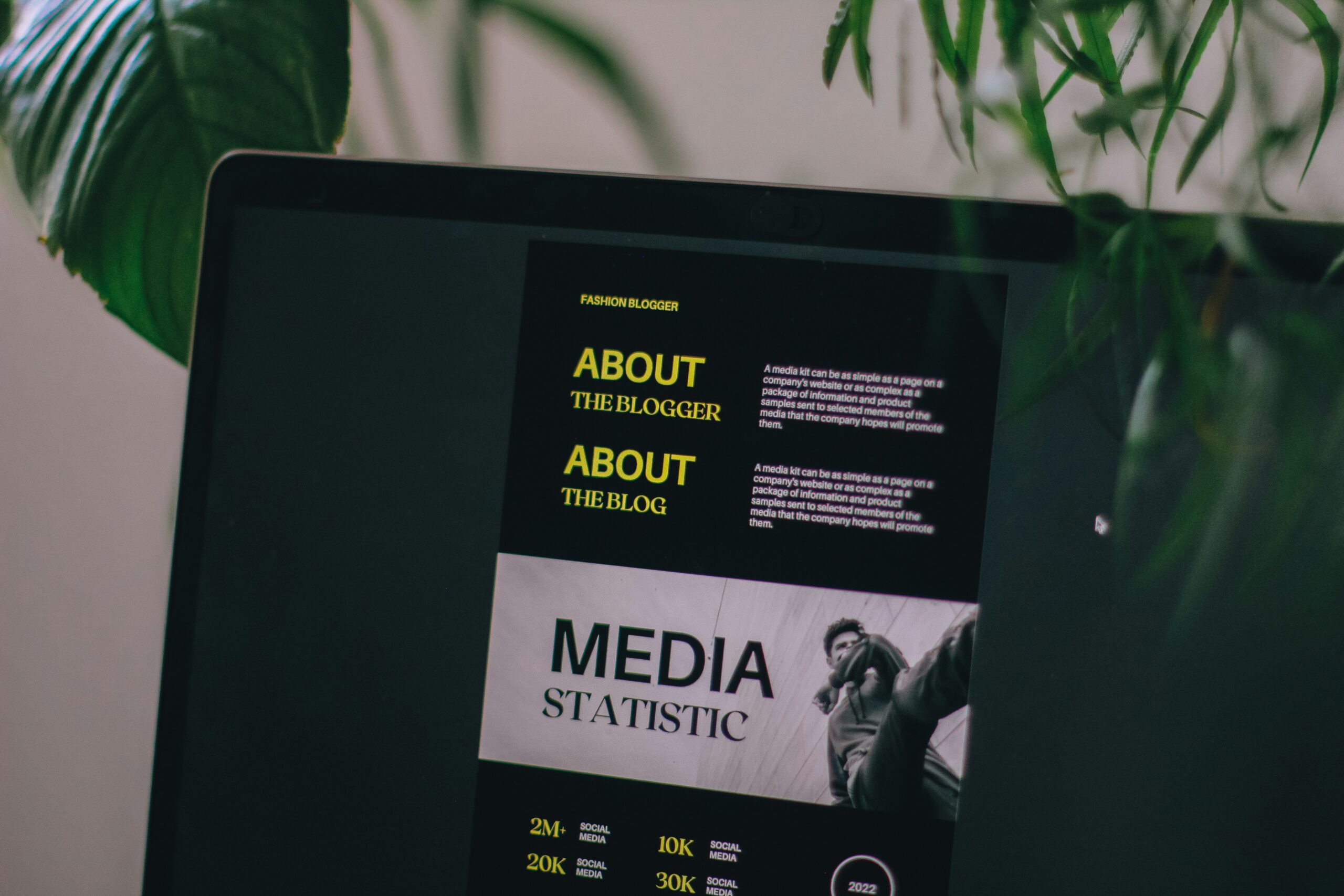
Media strategy has changed a lot in the last decade. New tools, fast apps, smart systems, and strong code shape how people see and share information. Many brands invest heavily in technology. They build sleek platforms and smart features. They improve speed and design. All of that matters. Yet one truth remains clear. Great content still beats great code in media strategy.
Technology can deliver a message. Only content can make that message matter.
The Core of Media Strategy Is Human Connection
At its heart, media strategy is about people. It focuses on how a brand reaches, informs, and moves its audience. Code helps deliver the message faster. It can improve user experience. It can track clicks and views. But it cannot create emotion.
Great content builds trust. It answers real questions. It tells stories that people remember. When readers feel understood, they stay longer. They return again. They share the message with others.
Media strategy works best when the audience feels seen. Clean code does not create that feeling. Clear and useful content does.
Code Supports the Platform, Content Drives the Purpose
A strong website with fast loading speed helps a brand. Smooth navigation makes browsing easy. Smart tools can recommend articles or videos. These technical elements improve performance.
But even the best system fails if the content is weak.
Imagine a site that loads in one second but offers shallow articles. Visitors may click once. They will not stay. Now imagine a simple site with powerful stories and helpful advice. People forgive minor flaws when the value is strong.
In media strategy, code builds the stage. Content performs the show. Without a great performance, the stage means little.
Search Engines Reward Valuable Content
Search engines have grown smarter. They focus on quality, clarity, and relevance. Strong code helps with technical structure. It improves page speed and mobile use. These factors matter. Still, search engines rank pages higher when the content answers user intent.
This is where media strategy becomes clear. Great content attracts organic traffic. It keeps readers engaged. It reduces bounce rates. It increases time on page.
Algorithms change often. Good storytelling and clear information remain stable. Brands that focus only on technical tricks often fall behind. Brands that invest in helpful content build long term growth.
Content Shapes Brand Voice and Identity
Media strategy is not only about traffic. It is also about identity. A brand must speak in a clear and steady voice. It must show its values through words, tone, and message.
Code cannot define personality. It cannot show empathy. It cannot reflect humor or care.
Great content builds a strong brand image. It sets the tone for every blog post, video, or social update. When the voice is clear, audiences feel connected. They begin to trust the brand.
In media strategy, trust leads to loyalty. Loyal readers become customers. Customers become advocates.
Technology Changes Fast, Stories Last
Technology evolves every year. Platforms rise and fall. Tools become outdated. A system that feels modern today may feel old next year.
Great content has a longer life.
A strong article can stay relevant for years. A clear guide can help thousands of readers over time. A powerful story can inspire across platforms.
Media strategy should focus on long term impact. Code needs updates and maintenance. Stories need truth and clarity. When brands build their strategy around content, they create assets that last.
Engagement Depends on Meaning, Not Just Design
Design and speed attract attention. Meaning keeps it.
A well designed app may impress users at first glance. Still, people return for value. They return for insights, solutions, and inspiration.
In media strategy, engagement is key. Engagement leads to shares, comments, and conversations. Those actions build reach and authority.
Great content invites discussion. It encourages thought. It offers something useful. Code alone cannot create these reactions.
Data Is Helpful, but Content Creates Impact
Modern media strategy uses data to guide decisions. Analytics show what works. Metrics reveal user behavior. Code collects and organizes this information.
Yet data does not replace creativity.
Writers, editors, and strategists turn insights into stories. They shape ideas into messages that connect with real people. Numbers may show trends. Content explains meaning.
When brands focus too much on technical tools, they risk losing the human side. Media strategy must balance analysis with emotion. Content brings that balance.
Strong Content Builds Community
Community is a powerful asset in media strategy. When readers feel heard, they gather around shared ideas. They return to comment and participate. They feel part of something larger.
This sense of belonging grows through shared stories and clear communication. It grows when a brand speaks honestly and consistently.
Code helps manage forums and platforms. It supports user accounts and features. Still, it is the message that builds unity.
Great content creates common ground. It brings people together around shared goals and interests.
Media Strategy Thrives on Clarity and Simplicity
Many brands chase complex tools. They believe advanced systems will solve every problem. They invest in upgrades and redesigns.
Often, the issue is not technical.
If the message is unclear, no system can fix it. If the content lacks depth, no feature can save it.
Clear writing, simple structure, and direct language reach wider audiences. In media strategy, clarity wins attention. Simple messages spread faster. Easy language invites more readers.
Great content speaks in a voice people understand.
The Smart Approach Combines Both, but Content Leads
This does not mean code is unimportant. Strong technical support improves delivery. It protects security. It enhances user experience.
However, in media strategy, content must lead.
Think of code as the engine of a car. It powers movement. Content is the direction and destination. Without direction, power is wasted.
Brands that place content at the center build stronger connections. They create value before chasing features. They focus on audience needs before technical trends.
When content leads, technology becomes a tool, not a distraction.
Final Thoughts on Media Strategy Today
The digital world continues to grow. New platforms appear. New tools promise better reach. Many brands feel pressure to upgrade systems often.
Amid this change, one truth remains steady. Great content still beats great code in media strategy.
People seek meaning. They want clear answers. They value honest stories. They trust brands that speak with purpose.
Code delivers speed and structure. Content delivers connection and trust.
A smart media strategy respects both. Yet it always remembers that words, stories, and ideas move people more than systems ever can.
Additional Information
- Blogs
- James Kaminsky