The Future of Artificial Intelligence in Modern Business Operations
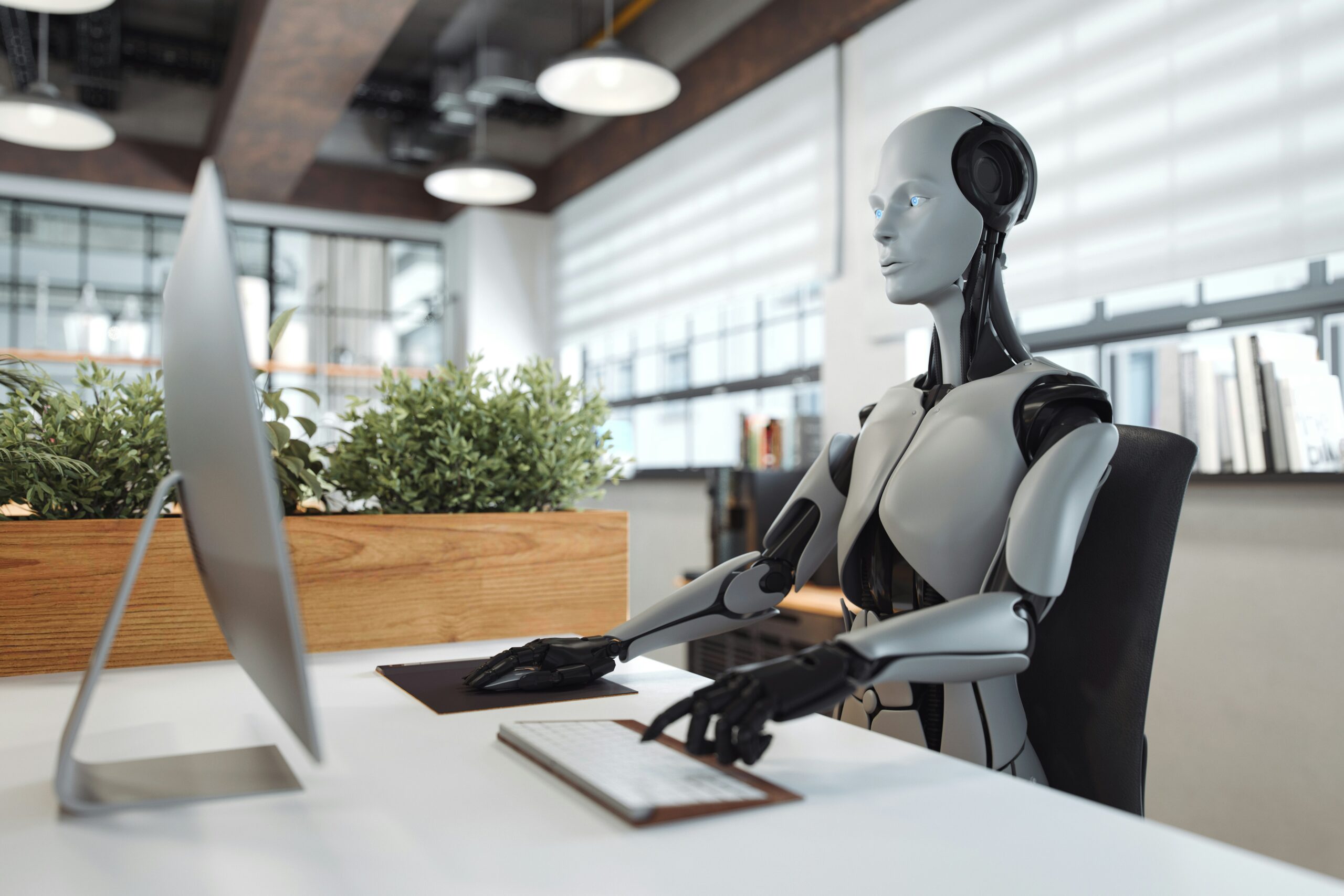
Artificial Intelligence in Modern Business continues to reshape industries worldwide. Companies now use AI to improve customer service, increase efficiency, and make better decisions every day. As technology advances faster, businesses also adapt more quickly. Therefore, AI has become more than a trend, as it now plays a core role in modern business success. Organizations that embrace intelligent systems often gain a competitive edge while improving productivity and customer satisfaction.
Many business leaders now invest in artificial intelligence technology because they see long-term value in automation and data analysis. Moreover, AI helps companies reduce repetitive tasks while allowing employees to focus on creative and strategic work. Businesses of all sizes are now exploring AI solutions to stay competitive in changing markets. As a result, the future of Artificial Intelligence in Modern Business looks stronger than ever before.
How AI Improves Daily Business Operations
Artificial intelligence technology helps companies complete tasks faster and with greater accuracy. Businesses now use AI-powered systems to manage inventory, process customer requests, and organize large amounts of data. Because AI handles repetitive work quickly, employees can spend more time solving complex problems and building stronger customer relationships. In addition, AI systems continue to learn from data, helping businesses improve performance over time.
Many organizations also use business automation tools to reduce human error and increase productivity. For example, AI software can monitor supply chains, track financial records, and predict customer demand. Consequently, companies save both time and money while improving operational efficiency. Artificial Intelligence in Modern Business creates smoother workflows, helping businesses remain flexible in competitive markets.
AI and Customer Experience Transformation
Customer expectations continue to rise, so businesses must provide faster and more personalized support. AI customer experience tools help companies respond to customer needs quickly and accurately. Chatbots, virtual assistants, and recommendation engines now guide customers through online experiences with ease. Furthermore, AI systems can analyze customer behavior to provide personalized product suggestions and services.
Businesses also use artificial intelligence technology to improve communication across multiple platforms. For instance, AI-powered support systems can answer questions at any time of day without delays. As a result, customers enjoy faster service and stronger engagement with brands. Artificial Intelligence in Modern Business strengthens customer loyalty by enabling companies to consistently deliver better experiences.
The Role of AI in Business Decision-Making
Modern businesses collect massive amounts of data every day. However, raw data alone cannot create success without proper analysis. AI helps companies turn data into valuable insights that support smarter business decisions. Because AI can quickly identify patterns, business leaders can make informed decisions faster than before. Therefore, companies reduce risks while improving growth opportunities.
Data-driven business growth becomes easier when organizations use AI tools for forecasting and analysis. Businesses can predict customer trends, monitor market changes, and improve financial planning through intelligent systems. Additionally, AI helps companies better understand employee performance and operational weaknesses. Artificial Intelligence in Modern Business supports better decision-making across every department.
AI and Workforce Development
Many people once feared that AI would completely replace human workers. However, businesses now understand that AI often works best alongside employees rather than instead of them. AI handles repetitive tasks while employees focus on leadership, creativity, and relationship-building. Consequently, companies can create more productive and balanced workplaces.
Organizations also invest in employee training programs to prepare teams for AI-driven environments. Workers now learn how to operate intelligent systems and analyze digital data effectively. Moreover, AI tools can support employee growth by offering personalized learning experiences and performance insights. Artificial Intelligence in Modern Business encourages companies to build stronger and more adaptable workforces.
Cybersecurity and AI Protection Systems
Cybersecurity remains a major concern for businesses because digital threats continue to grow. AI-powered security systems now help organizations detect unusual activity before major problems occur. Since AI can continuously monitor networks, businesses can respond to threats faster and reduce potential damage. In addition, intelligent systems improve threat detection accuracy compared to traditional methods.
Companies also use AI to protect customer information and sensitive business data. Machine learning tools can identify suspicious patterns that human teams may overlook. Therefore, businesses strengthen security while maintaining customer trust. Artificial Intelligence in Modern Business supports safer digital operations in an increasingly connected world.
AI in Marketing and Sales Strategies
Marketing has changed significantly because AI helps businesses better understand customer behavior. Companies now analyze purchasing patterns, online activity, and customer preferences using intelligent systems. As a result, businesses create more targeted marketing campaigns that reach the right audiences at the right time. AI business solutions also help brands improve advertising performance and customer engagement.
Sales teams benefit from AI because predictive tools quickly identify potential leads and buying behaviors. Businesses can personalize sales strategies and improve conversion rates with smarter insights. Furthermore, AI tools help companies automate follow-up communication and customer relationship management. Artificial Intelligence in Modern Business continues to transform marketing and sales strategies.
The Future of AI Innovation Across Industries
Different industries now explore AI in unique ways to improve performance and customer service. Healthcare companies use AI to assist with diagnosis and patient care. Retail businesses rely on AI for inventory management and personalized shopping experiences. Meanwhile, financial institutions use intelligent systems for fraud detection and market analysis. Therefore, AI innovation continues spreading across every major industry.
Future AI developments will likely create even smarter business environments. Businesses may soon use advanced automation, predictive analytics, and intelligent robotics more widely. In addition, companies will continue investing in AI research to improve operational efficiency and customer experiences. Artificial Intelligence in Modern Business will remain a powerful force driving industry innovation for years to come.
Ethical Challenges and Responsible AI Use
Although AI offers many benefits, businesses must also carefully address ethical concerns. Companies need clear policies to ensure fair and responsible AI usage. Bias in AI systems can cause problems if organizations fail to monitor data quality properly. Therefore, businesses must maintain transparency while developing and using intelligent technologies.
Responsible AI practices also help companies protect customer privacy and maintain public trust. Businesses should create guidelines for data collection, security, and decision-making processes. Moreover, organizations need human oversight to ensure that AI systems consistently support ethical standards. Artificial Intelligence in Modern Business requires balanced and responsible implementation to achieve long-term success.
Additional Information
- Blogs
- customer service, intelligent systems, intelligent technologies
- James Kaminsky